From waste to material. From material to new spaces.
We recover pre-consumer textiles and turn them into wall-cladding panels with a unique identity, acoustic and thermal properties, and fire performance.
Requecho works at that meeting point: we recover waste from the textile industry and turn it into a new material for architecture and interior design.
THE PROBLEM
The textile industry discards tons of material that could become a resource.
Much of the material left over from textile production loses its value and becomes waste. At the same time, architecture and interior design need materials with a lower impact and new capabilities.
+92 million
tons of textile waste every year worldwide.
UNEP, 2025.
≈ 500,000 tons
every year in Argentina. Most of it ends up in landfills, incinerated or untraced.
Ministry of Environment, Buenos Aires Province, 2025.
+40%
of the materials extracted worldwide are consumed by construction.
UNEP / GlobalABC, 2026.
THE MATERIAL
A new material to transform spaces.
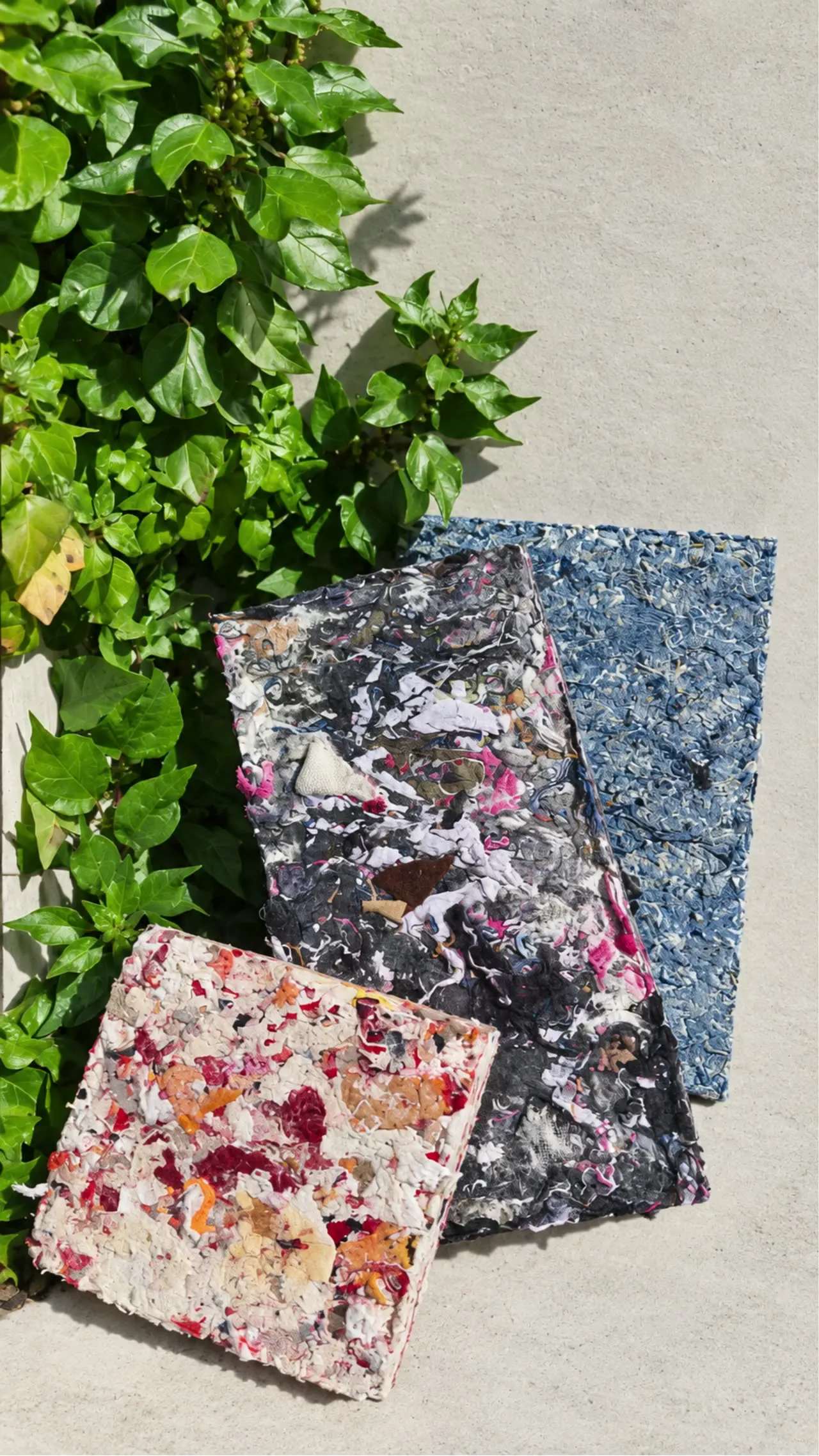
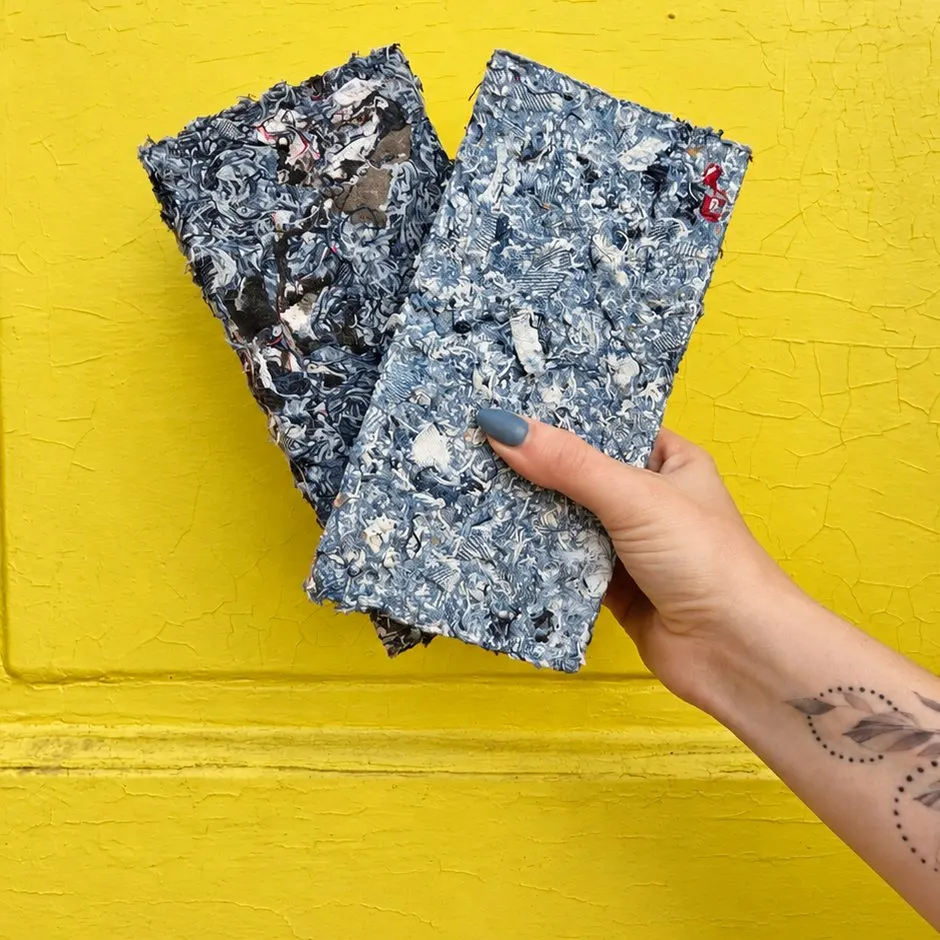
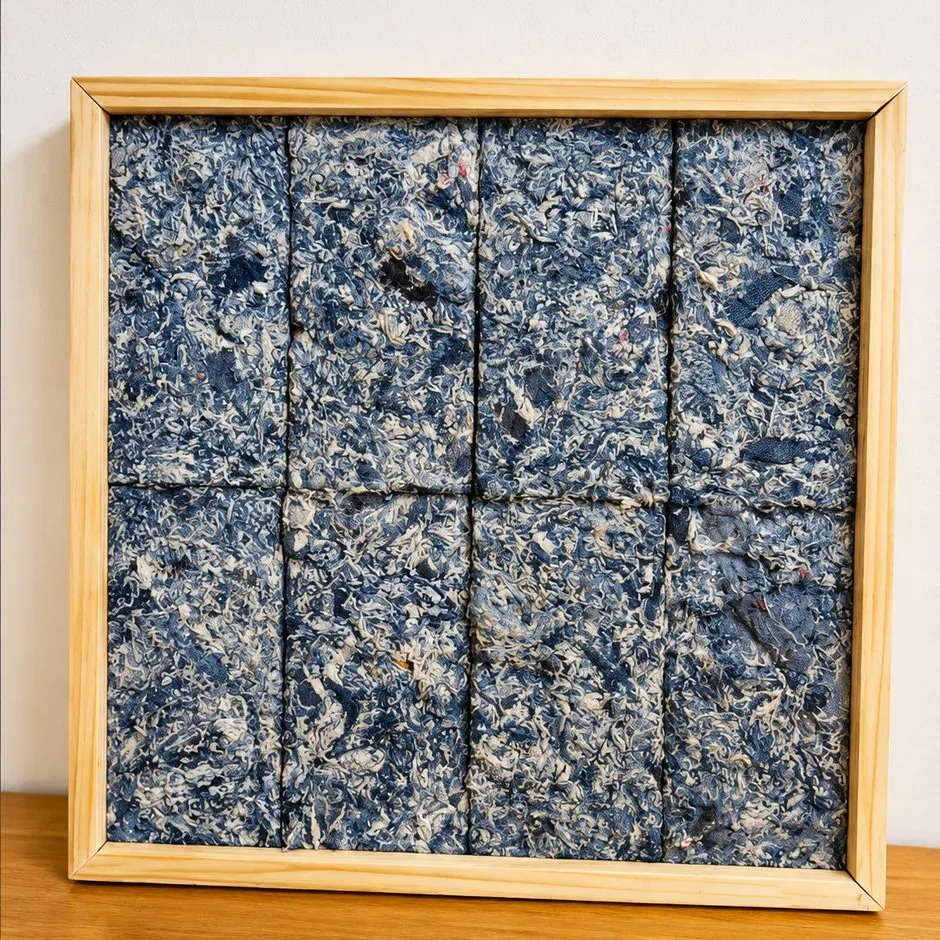
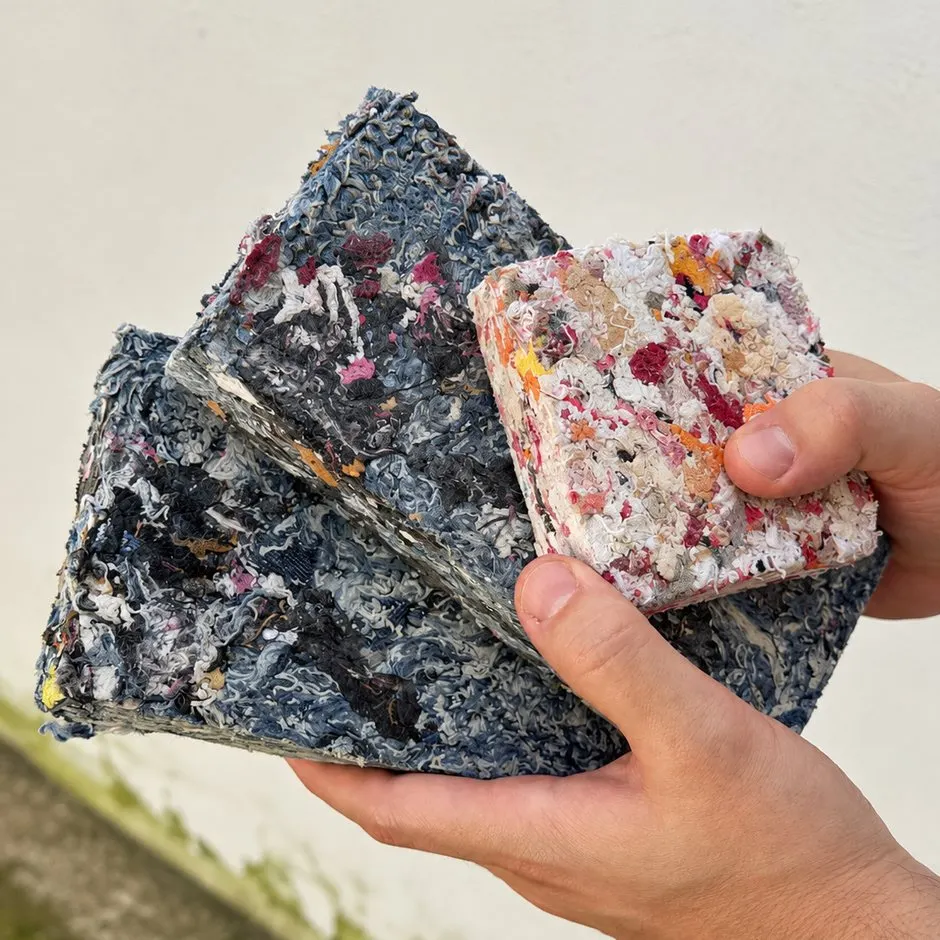
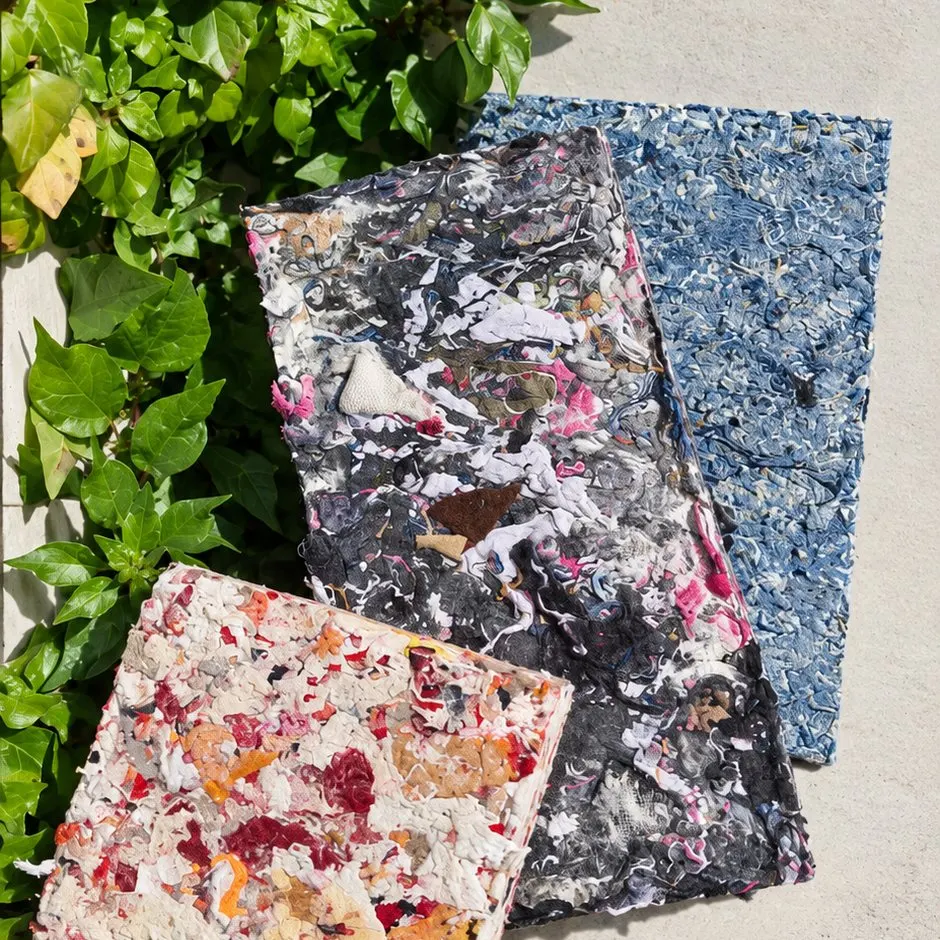
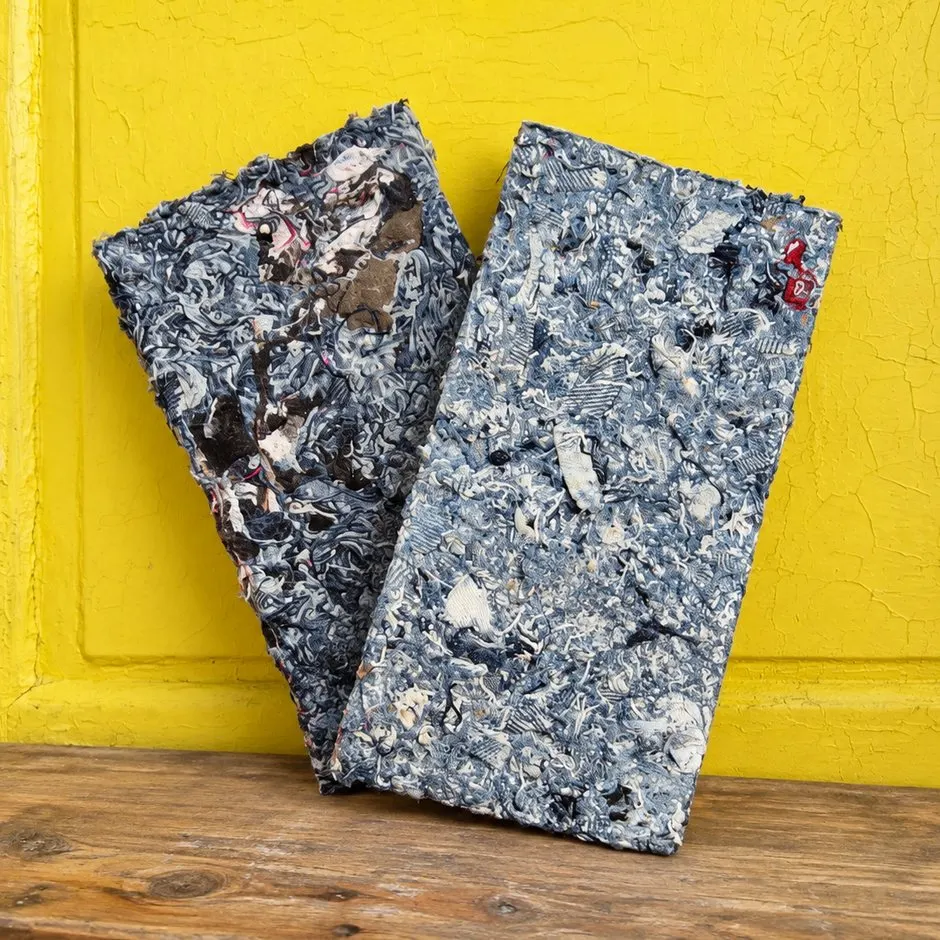
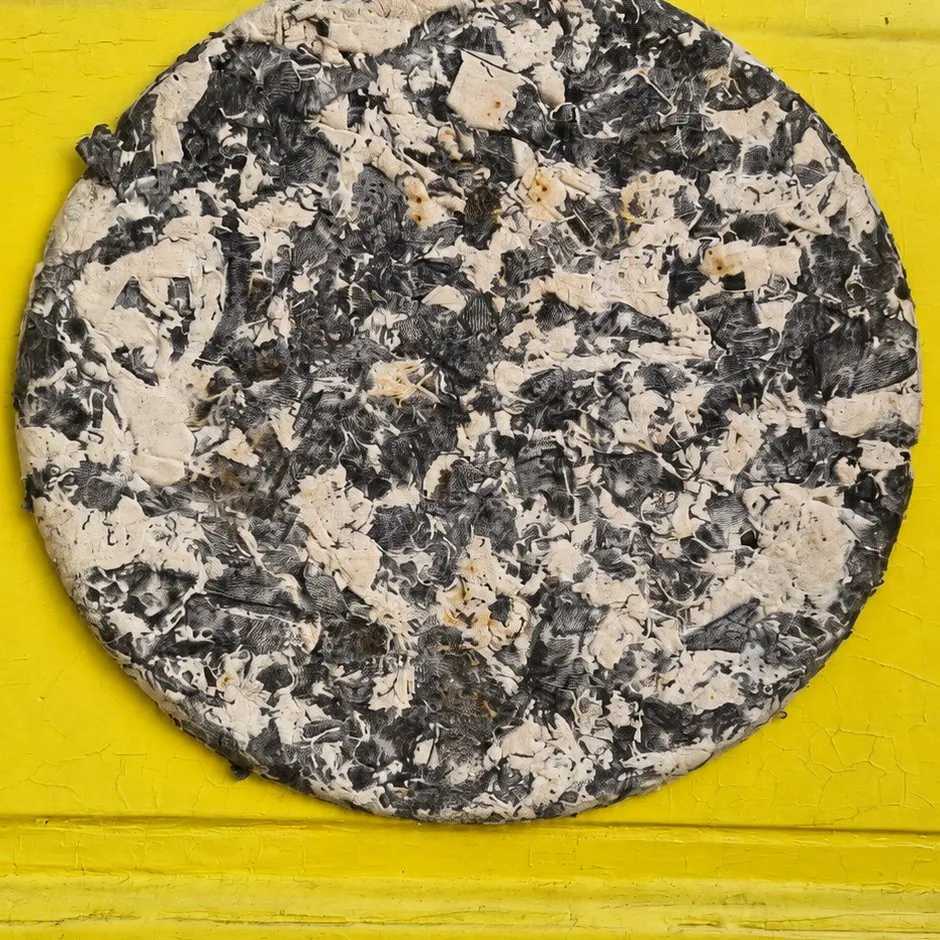
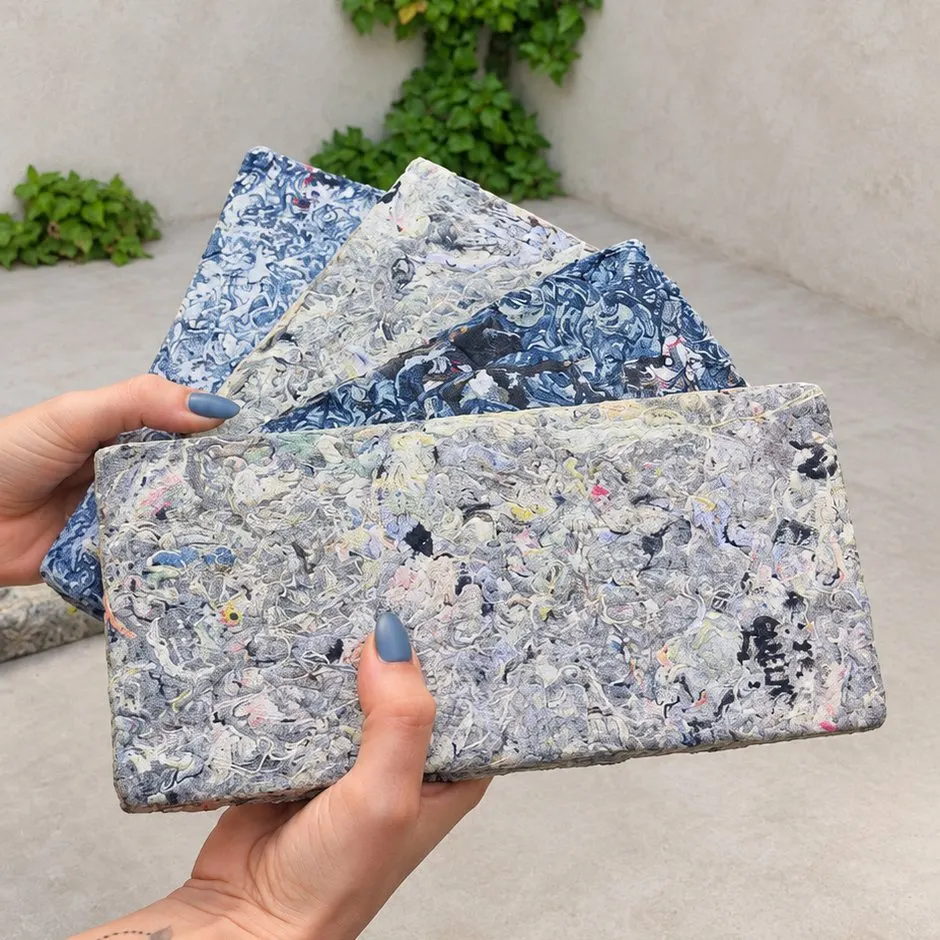
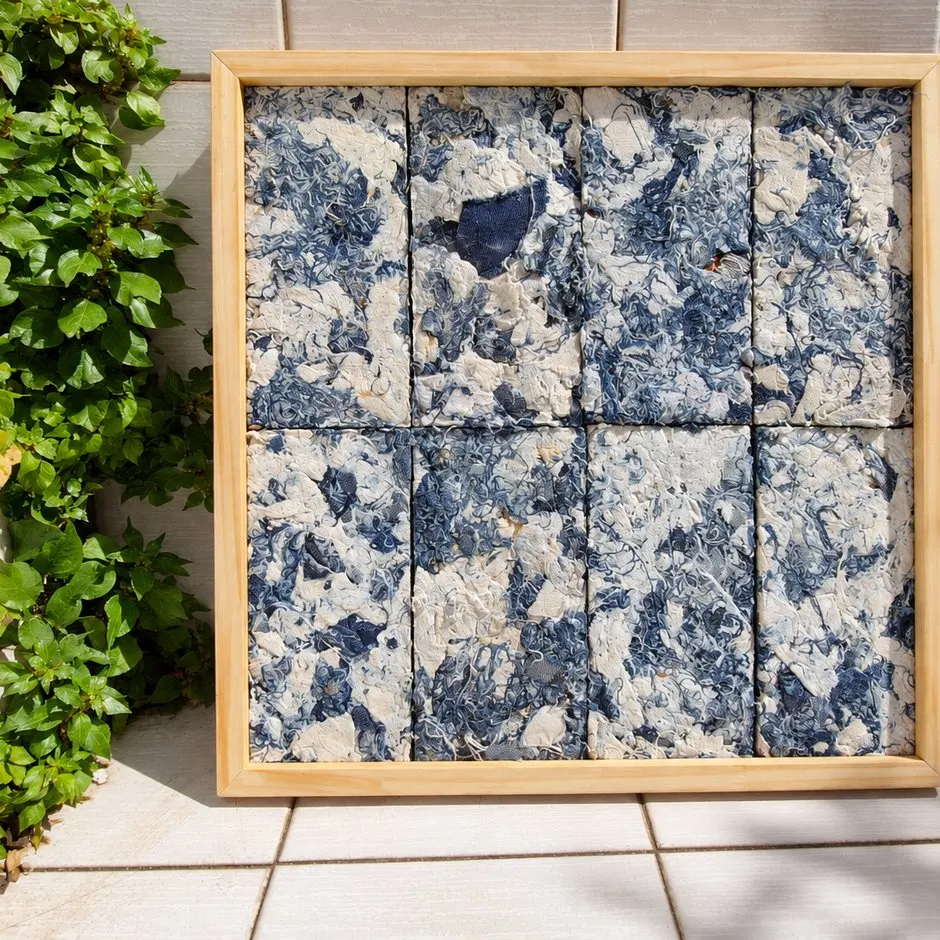
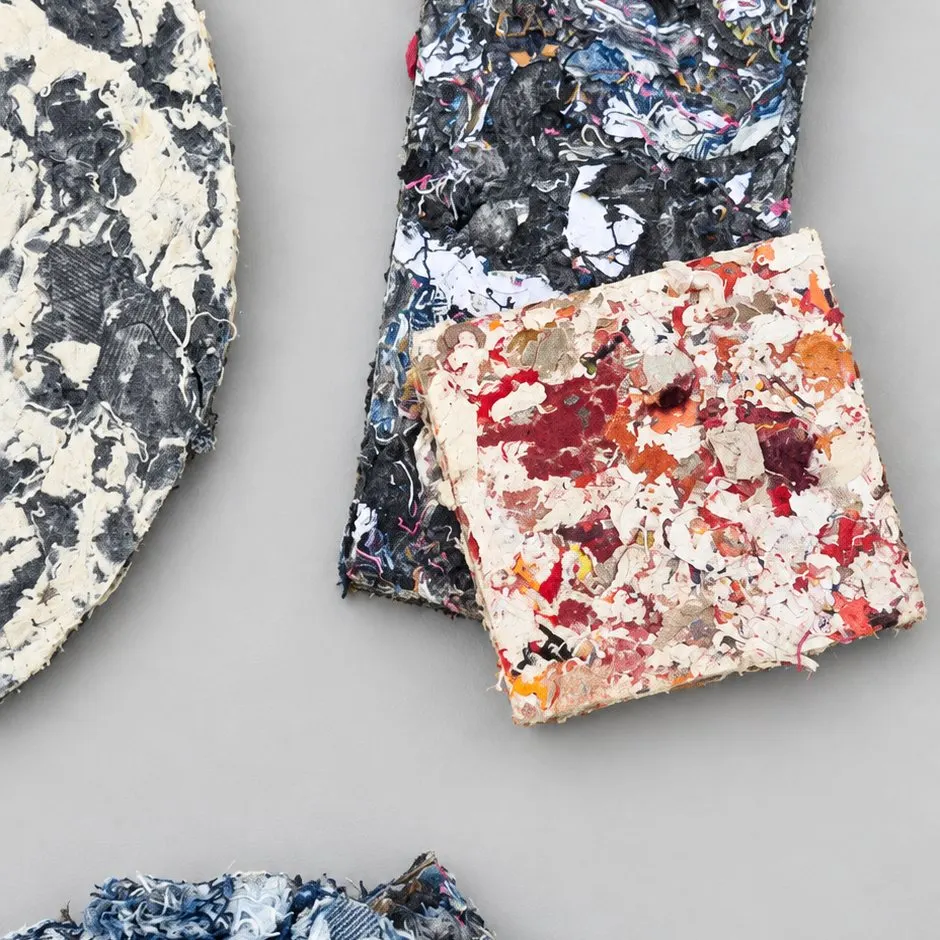
Interior cladding panels that combine design, texture and performance. Each piece has its own identity and becomes part of the space's language.
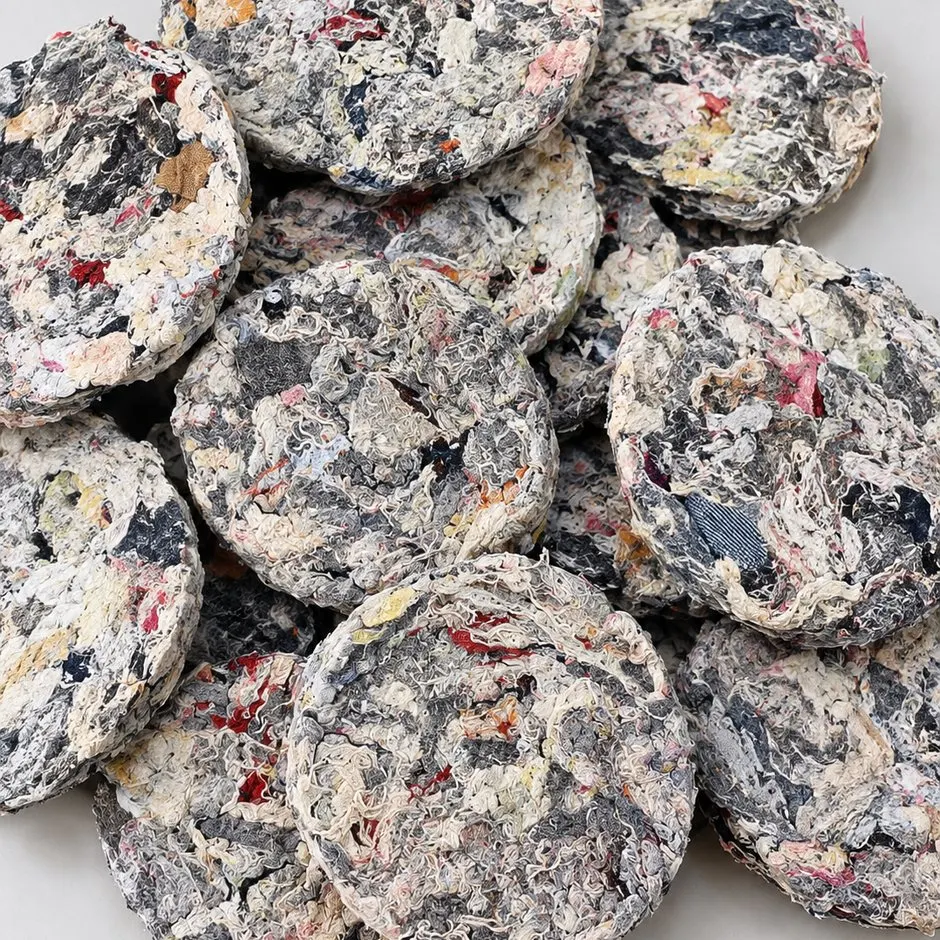
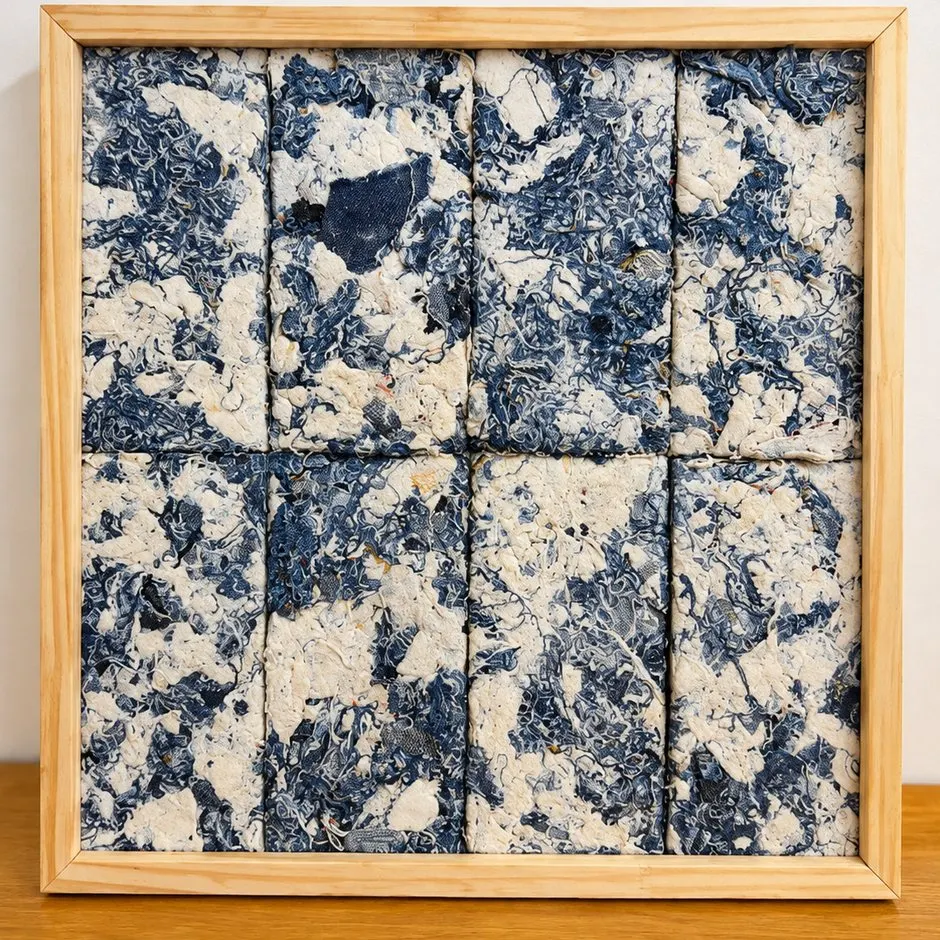
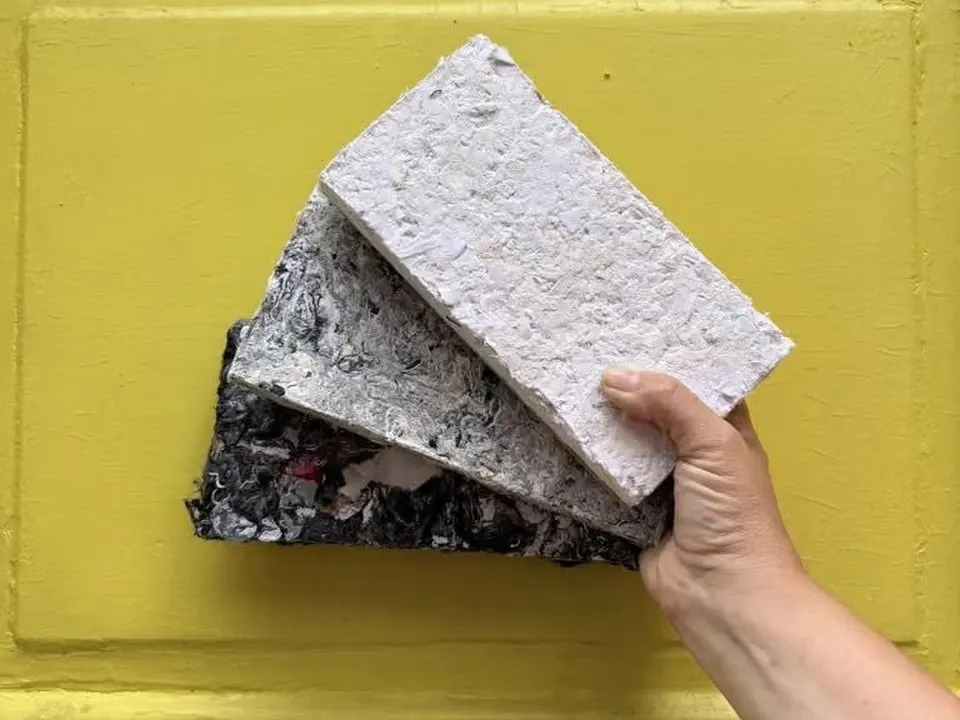
We work with color, combinations and gradients for each project. The texture, the fibers and the variations of every piece are part of an aesthetic that seeks character, not uniformity.
Properties and performance
Acoustic
Sound absorption:
α = 0.51–0.70
Helps reduce reverberation and improve acoustic comfort in interiors.
Thermal
Thermal conductivity:
λ ≈ 0.085 W/mK
Its low conductivity contributes to insulation and indoor thermal comfort.
Fire performance
Requecho — IRAM 11910 standard · RE2 target
International references for comparable materials:
- Europe — C-s1,d0 · EN 13501-1
- France — M2 · NF P92-501
- USA — Class B · ASTM E84-26
Emissions
Low volatile organic compound (VOC) emissions.
Testing and certifications in progress.
Applications
- Interior wall cladding
- Acoustic panels
- Furniture and design objects
- Custom developments
Specifications
- Composition
- Shredded textiles + bio-based binder
- Size
- 20 × 10 × 2.5 cm
- Use
- Interior, non-structural
- Coverage
- 50 panels = 1 m²
- Recovered material
- ≈ 7.5 kg of textile waste recovered per m²
How we do it.
We developed a process that lets us recover waste, preserve its material value and transform it into a new piece.
01
We recover
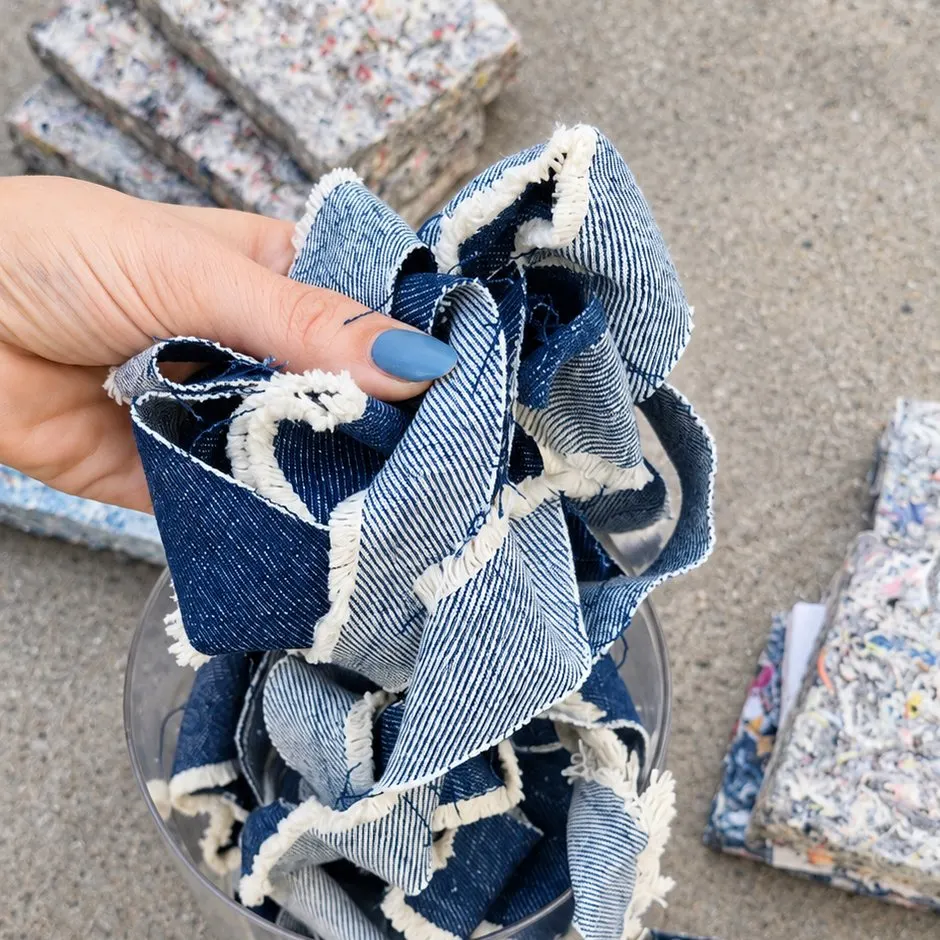
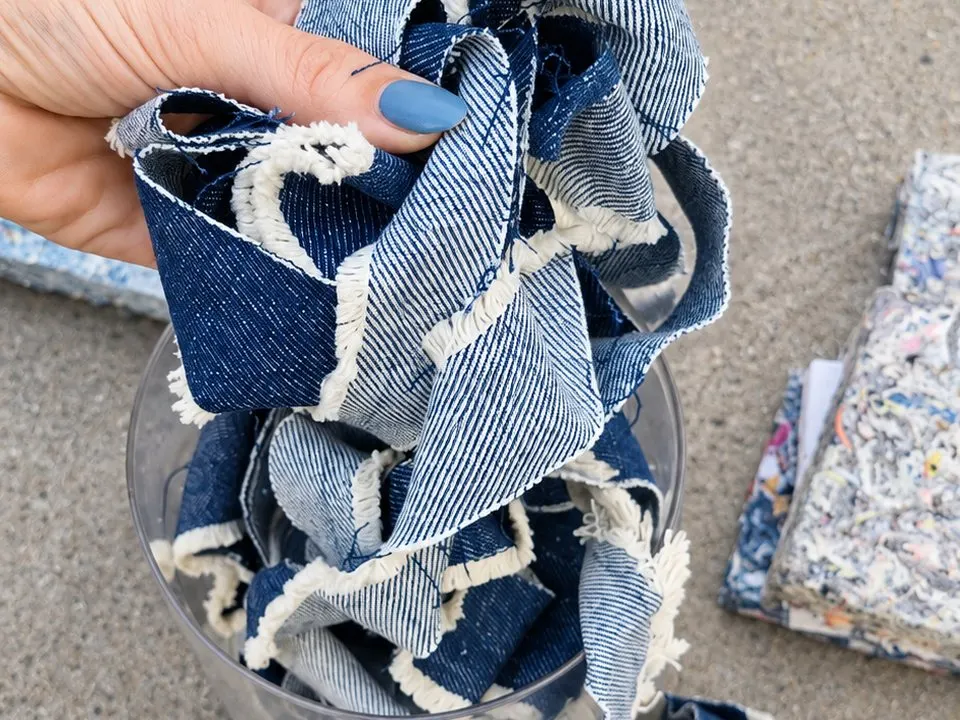
We collect pre-consumer textile waste, mainly from cutting tables.
02
We sort
We separate and organize it by composition, color and material characteristics.
03
We shred and formulate
We break down the fibers and combine them with our bio-based binder system.
04
We press
We give each panel its shape, density and thickness.
05
We dry
The material completes its drying and stabilization process before becoming a product.
WHY REQUECHO
Circularity, performance and design.
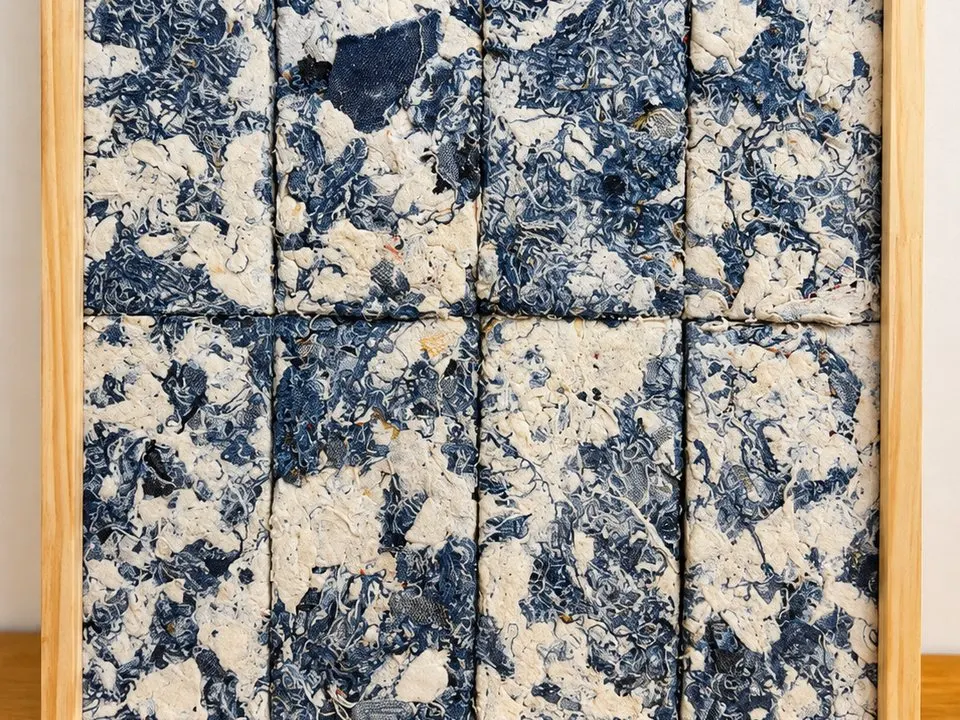
Where a conventional solution needs several layers, Requecho combines acoustic and thermal performance with a visible finish in a single material.
Recovered material
Each m² recovers approximately 7.5 kg of pre-consumer textile waste.
Design for every space
We work on colors, combinations and gradients together with architects and designers to integrate the material into the project.
Functional properties
The same material provides a visible finish, sound absorption and thermal performance.
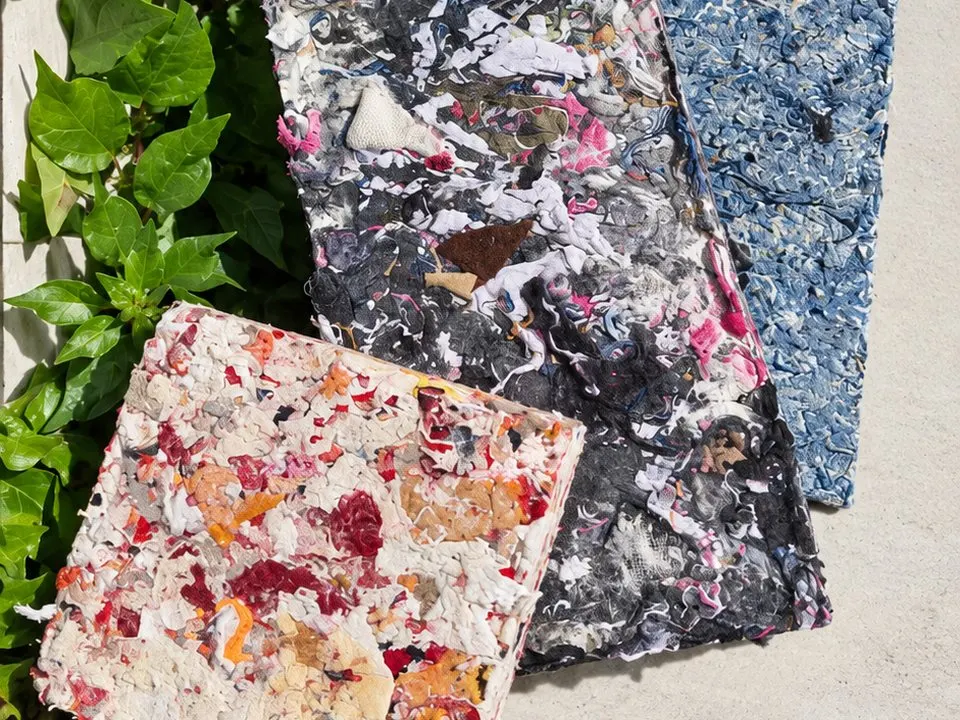
Material identity
The material's own fibers, textures and variations are part of the final expression of each piece.
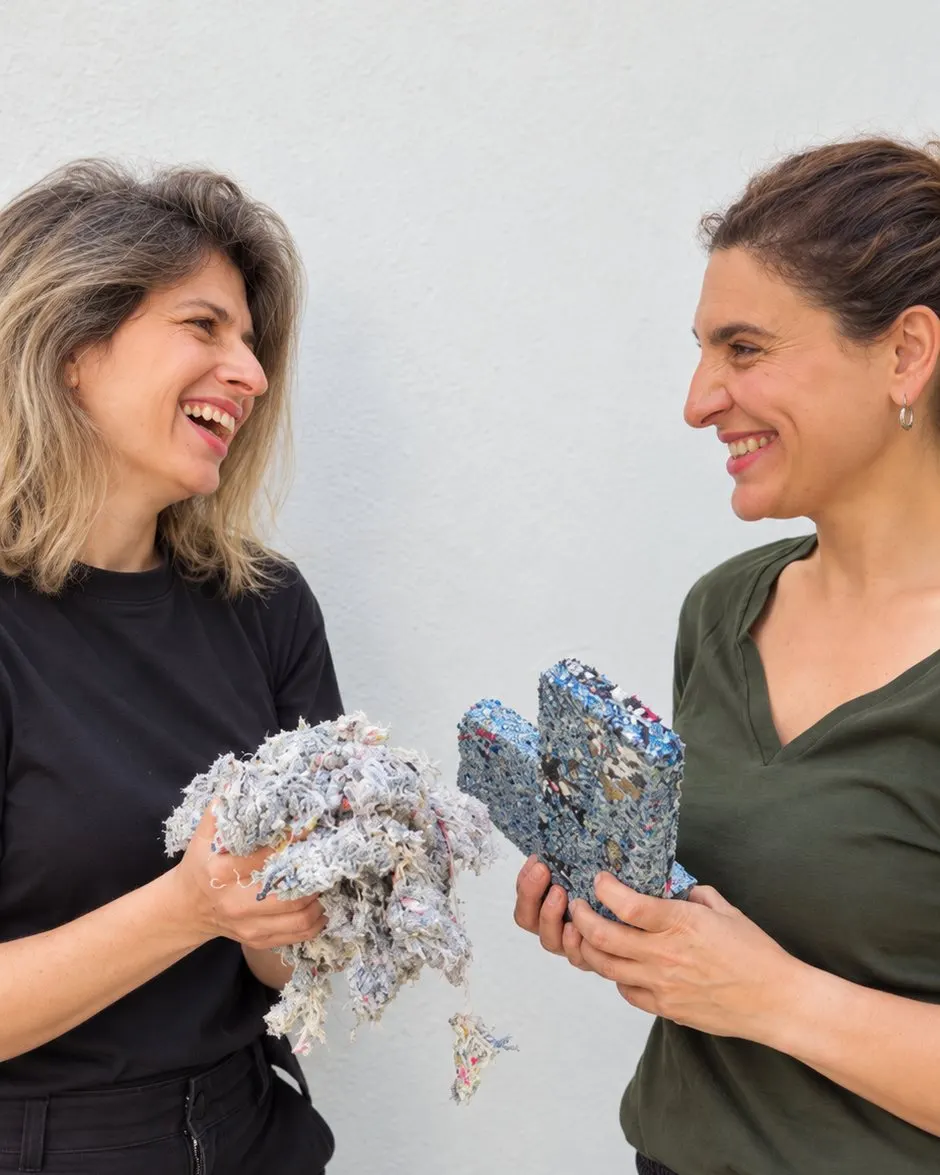
FOUNDERS
Requecho was born from knowing the industry from the inside.
We are Luciana Sabsay and Verónica Litvinoff. We met while studying Fashion Design at the University of Buenos Aires (UBA) and have spent more than twenty years working across different areas of the textile industry.
For years we watched the same scene repeat itself: offcuts, leftovers and materials that lost their value as soon as production ended. Requecho was born from a simple question: what if, instead of treating that material as waste, we could design with it again?
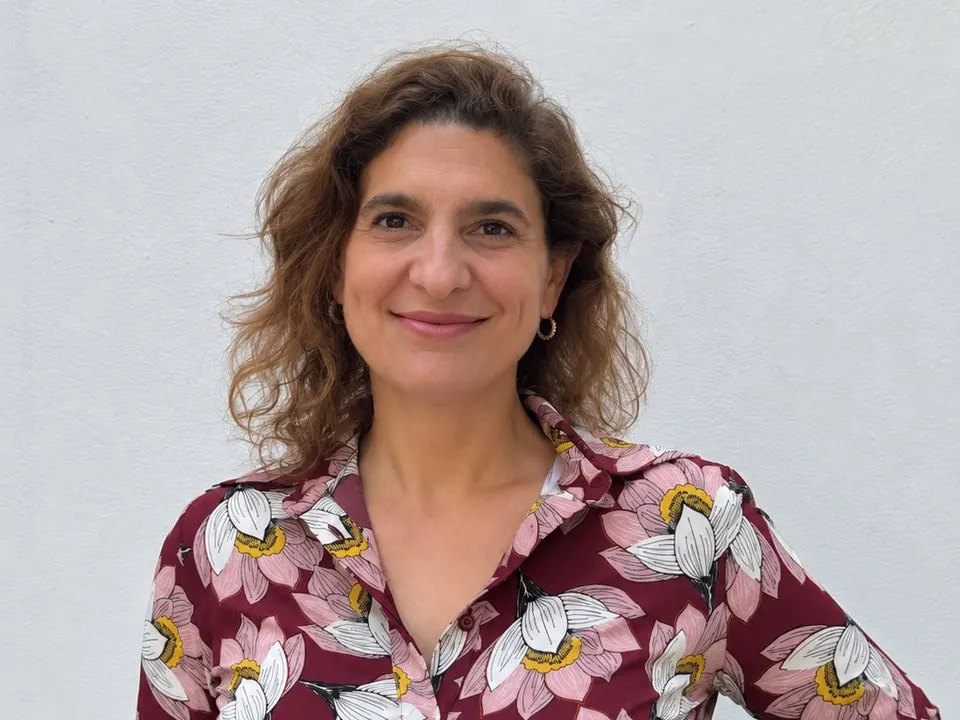
Luciana Sabsay
Co-founder · Business & Sales
Fashion designer (UBA) specialized in Communication and Marketing. More than twenty years of experience in textile production, business development and supplier and workshop management. For twelve years she led production at ADA Collection for international markets. She is also a textile sustainability consultant.
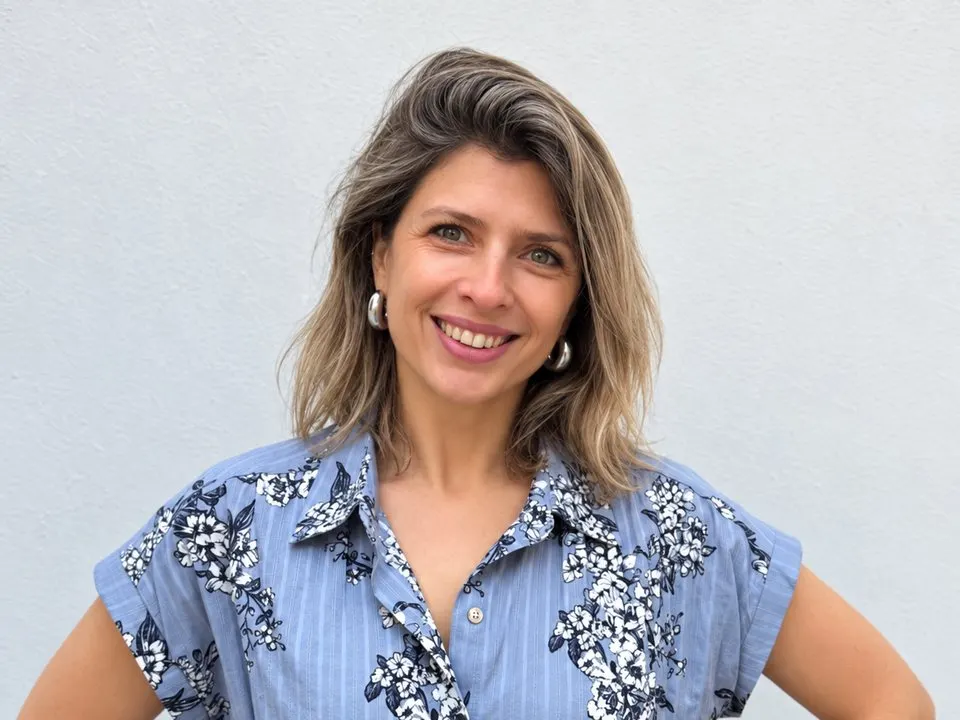
Verónica Litvinoff
Co-founder · Product & Operations
Fashion designer (UBA) specialized in product, biomaterials and textile innovation, with training in the Sociology of Design. More than twenty years of experience in product development and production, from raw-material selection to working with workshops and industrial processes.
RECOGNITION

Regional Semifinalist 2026 · ClimateLaunchpad (opens in a new tab)
We represent Argentina at the Global Final in Singapore, in October 2026.


Semifinalists · NAVES, IAE Business School (opens in a new tab)
In the IAE Business School startup competition. 2025


Winners of “Vos Lo Hacés” · Buenos Aires City Government (opens in a new tab)
Selected from more than 160 applicants. 2025
CONTACT
Let's talk.
Leave your details and we'll get in touch to tell you more about the material and how it can fit into your project.
Web design: Lautaro Mendez